Link copied to clipboard


Many products in female health categories sound right on paper.
They use careful language. They reference research. They lean on clinical standards to signal credibility. They avoid anything that might feel too emotional, too personal, or too close to wellness marketing. Everything is precise and intentionally restrained.
And still, something does not quite land.
Even when the product itself is well built, people hesitate. They skim instead of reading. They feel unsure about what they are being told. They leave earlier than teams expect, often without being able to articulate why.
This is a familiar tension for founders building healthcare for people who menstruate or navigating products shaped around female physiology. If the science is sound and the UX is thoughtful, why does trust still feel so fragile?
Often, the issue is not accuracy or intention. It is language.
In health contexts tied to bodies, hormones, pain, fertility, and uncertainty, words do more than explain. They shape whether someone feels safe, respected, and considered. Language can lower cognitive and emotional load, or quietly add to it.
The difficult part is that language meant to signal professionalism and legitimacy can sometimes do the opposite. What sounds clinical and responsible to a team can feel distant or impersonal to the person on the other side of the screen.
This is the language trap many female health products fall into, often without realizing it.
For many founders, clinical language does not start as a branding decision. It starts as a risk decision.
When you are building in female health categories, the pressure to sound credible shows up early. You are often explaining sensitive topics to users who have been dismissed before, while also answering to regulators, clinicians, investors, and partners who expect precision and restraint. In that environment, sounding careful can feel safer than sounding human.
Clinical language promises protection. It signals that you are serious. That you respect science. That you are not cutting corners or drifting into vague wellness claims. For early-stage teams especially, it can feel like the clearest way to avoid being misunderstood or underestimated.
There is also a very real fear underneath this choice. Founders worry about not being taken seriously. About their product being dismissed as soft, niche, or unscientific. About triggering skepticism from institutions that already question the legitimacy of female health products.
So the language tightens. Words become more formal. Explanations become more detached. Anything that might sound emotional or subjective is stripped away in favor of something that feels neutral and defensible.
This instinct makes sense. In many cases, it is well intentioned. It comes from wanting to build something responsible, safe, and credible.
The problem is not that founders choose clinical language. The problem is that clinical language is often treated as the default signal of trust, without questioning how it actually lands for the people using the product.
And in health contexts shaped by bodies, pain, hormones, and deeply personal experiences, the safest choice on paper is not always the one that feels most trustworthy in practice.
Health products do not exist in a neutral space. They touch bodies, pain, hormones, fertility, and uncertainty. They show up at moments when people are already navigating discomfort, confusion, or vulnerability.
Many users arrive carrying context that is invisible to product teams. Past experiences of being dismissed by healthcare providers. Conflicting information. A long history of not being believed, or of having symptoms minimized. This shapes how language is received long before a feature or flow has a chance to prove itself.
Because of this, the words someone reads during onboarding, in explanations, or in warnings shape their emotional and cognitive load. They either help someone settle into the experience, or keep them guarded and alert.
Clinical language, even when accurate, can unintentionally signal distance or authority. It can feel like the product is speaking from above, rather than alongside the person using it. For someone already cautious, that tone can quietly reinforce the sense that they are expected to comply, not participate.
This is why trust in health products is influenced by more than what is being said. It is shaped by how the language feels to read, absorb, and carry through the experience. In these contexts, intent and impact often diverge. Language chosen to sound responsible can land as impersonal, even when the product itself is built with care.
This tension rarely shows up in big, obvious moments. More often, it lives in small pieces of language that feel harmless in isolation.
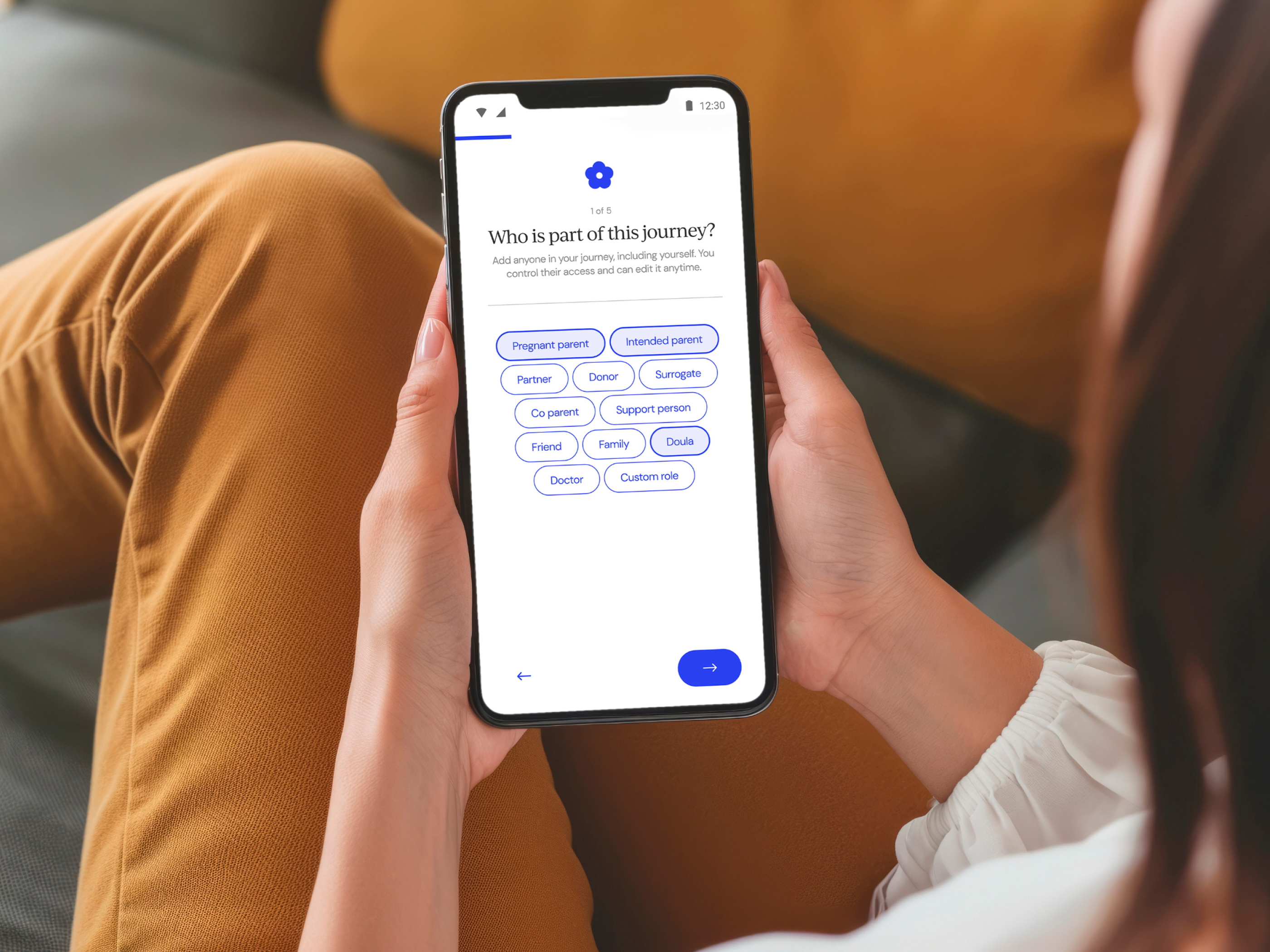
It appears in onboarding explanations that prioritize precision over reassurance. The information is technically correct, but it assumes a level of confidence and familiarity that many users do not yet have. Instead of helping someone settle in, the language asks them to keep their guard up.
It shows up in educational content that explains how something works without acknowledging variability. Bodies respond differently. Symptoms change. Outcomes are not always predictable. When language presents information as fixed or universal, users are left wondering whether their experience fits, or whether they are the exception.
It surfaces in alerts, warnings, and edge cases written primarily for systems rather than people. These moments are often shaped by compliance and risk mitigation, so the language becomes formal and detached. What is meant to protect can end up feeling cold or alarming.
It is especially visible in product names and claims shaped by regulatory requirements. Many teams are required to use explicit, clinical terms to gain approval. While necessary, this language is optimized for classification and oversight, not for comfort or ease.
These are the moments where language satisfies accuracy and compliance, but quietly erodes trust. And because they are usually reviewed through a technical or legal lens, they are rarely evaluated for how they feel to the person reading them.
Accuracy is essential in health products, but it is rarely enough on its own. A product can be factually correct and still feel hard to trust. It can meet every standard and still leave people feeling uncertain or uneasy.
Trust grows when people feel respected, informed, and considered as individuals, not just as data points or use cases. Language plays a quiet but powerful role in this. It shapes whether someone feels oriented or overwhelmed, supported or managed.
Every word either reduces cognitive and emotional load, or adds to it. Sometimes that load comes from uncertainty. Sometimes it comes from tone. And sometimes it comes from language that is technically correct, but emotionally distant.
Founders building in female health categories are often navigating a real tension. Regulatory clarity and clinical precision are necessary for products to exist. Care, comfort, and ease are necessary for people to stay. These needs are not always aligned, and pretending they are can flatten important nuance.
The goal is not to avoid clinical terms or precise language. It is to use them with intention and context. To recognize when language is serving systems first, and when it is serving the person on the other side of the screen.
A useful shift is to move away from asking whether language sounds professional enough, and toward a different question altogether. Does this language help someone feel at ease while using the product, even when the topic itself is complex or sensitive?
That question does not have a single right answer. But it is often where trust begins.

.jpg)